
Early life history stages of marine fishes are often more susceptible to environmental stressors than the adult stage. This vulnerability is likely exacerbated for species that lay benthic egg masses bound to substrate because the embryos cannot evade locally unfavorable environmental conditions.
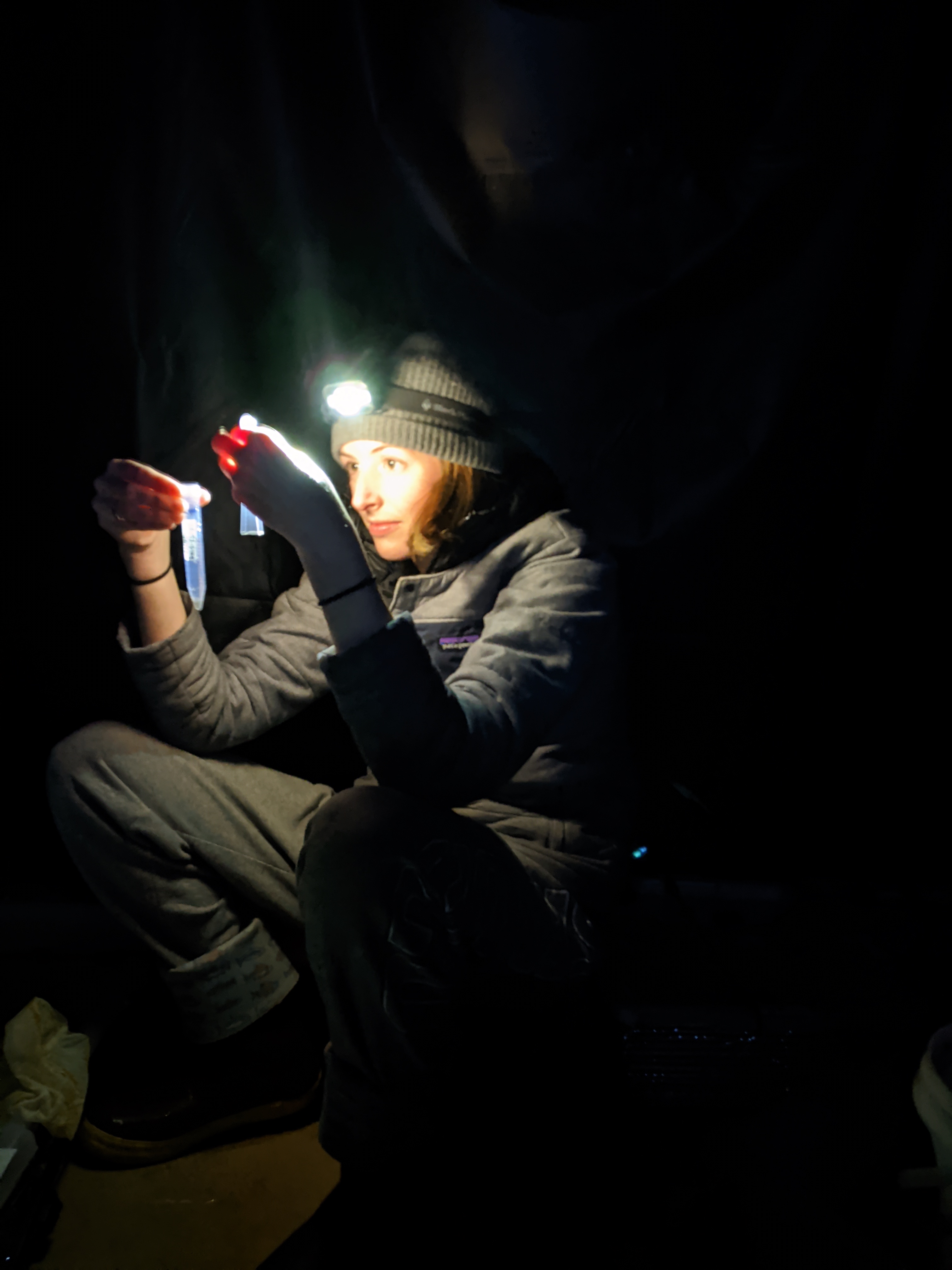
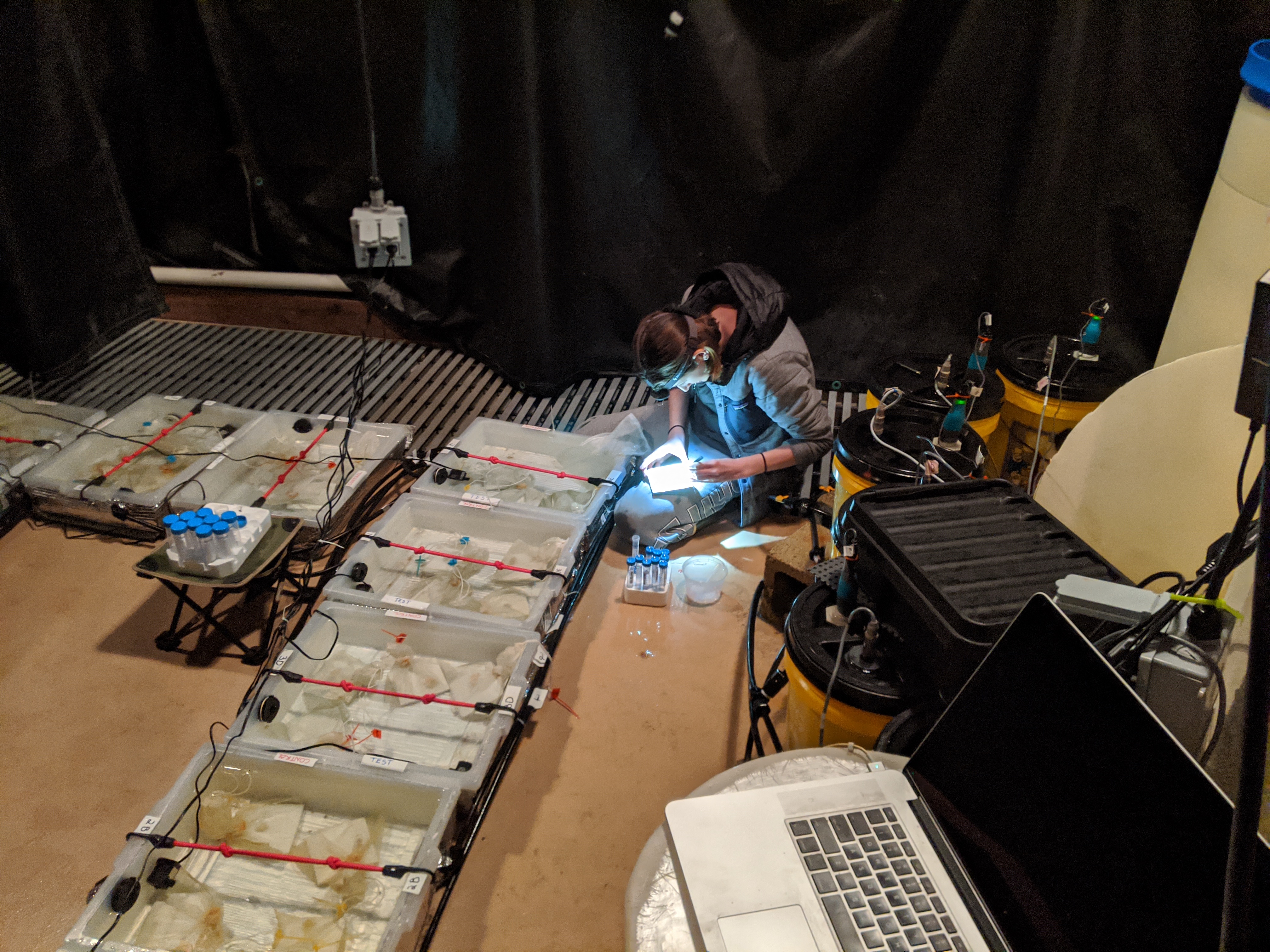
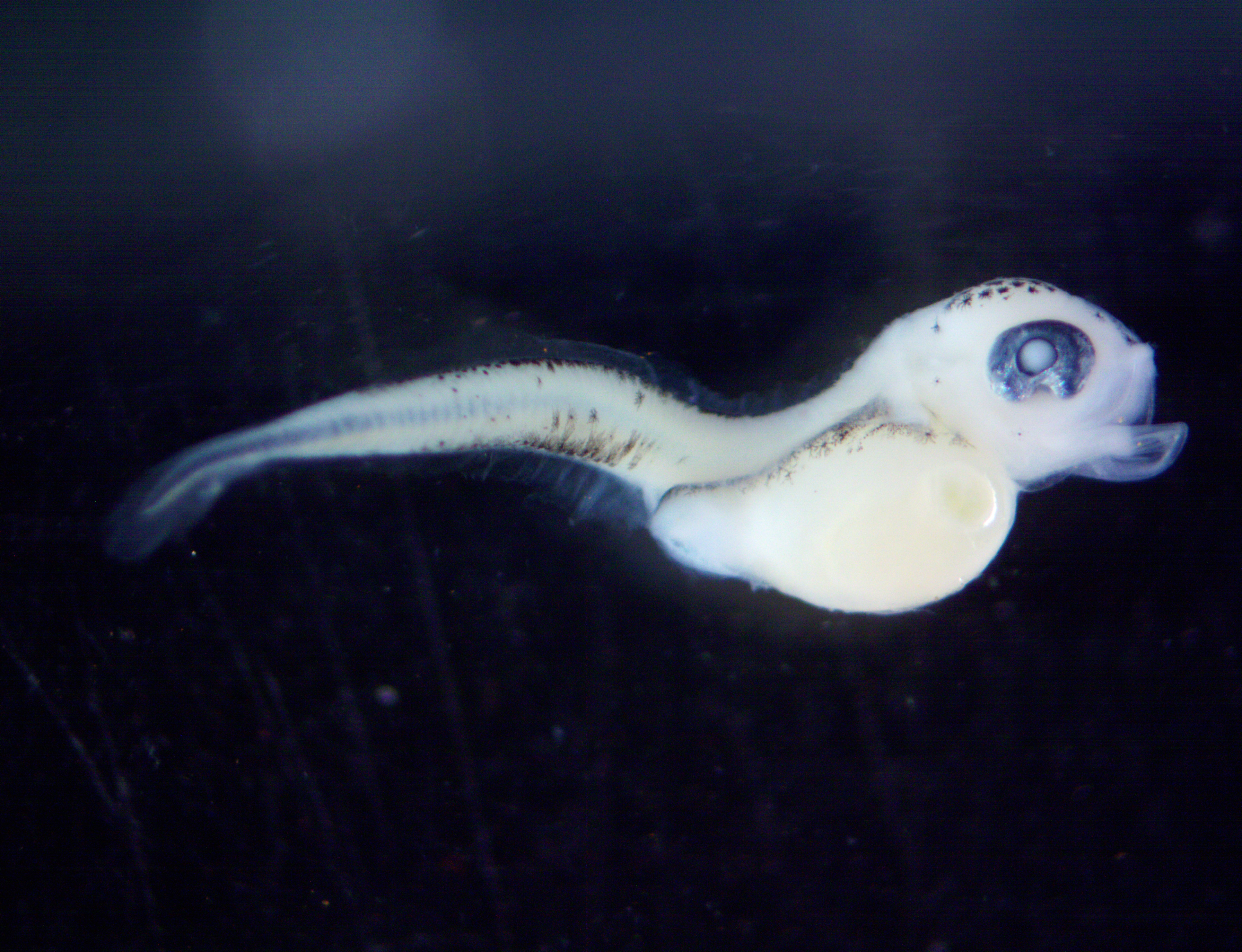
Lingcod (Ophiodon elongatus), a benthic egg layer, is an abundant and ecologically significant predator, and contributes to economically important recreational and commercial fisheries in the highly-productive California Current System (CCS). I ran a flow-through mesocosm experiment that exposed Lingcod eggs collected from Monterey Bay, CA to conditions I expect to see in the central CCS by the year 2050 and 2100. Throughout the month-long experiment I measured differences in metabolic rate, hatching success, and larval quality between treatments. Exposure to temperature, pH, and dissolved oxygen concentrations projected by the year 2050 halved the successful hatch of Lingcod embryos and significantly reduced the size of day-1 larvae. In the year 2100 treatment, viable hatch plummeted (3% of normal), larvae were undersized (83% of normal), yolk reserves were exhausted (38% of normal), and deformities were widespread (94% of individuals).
This experiment is the first to expose marine benthic eggs to future temperature, pH, and dissolved oxygen conditions in concert based on the tight coupling of these conditions in nature. Lingcod are a potential indicator species for other benthic egg layers that global change conditions may significantly diminish recruitment rates.
 Ellen Willis-Norton